The Surge of Student-Driven Encyclopedias: Transforming Discovering Landscapes
In the ever-evolving world of education and learning, where details streams generously and accessibility to expertise is only a click away, student-driven encyclopedias are emerging as a dynamic device in the knowing procedure.
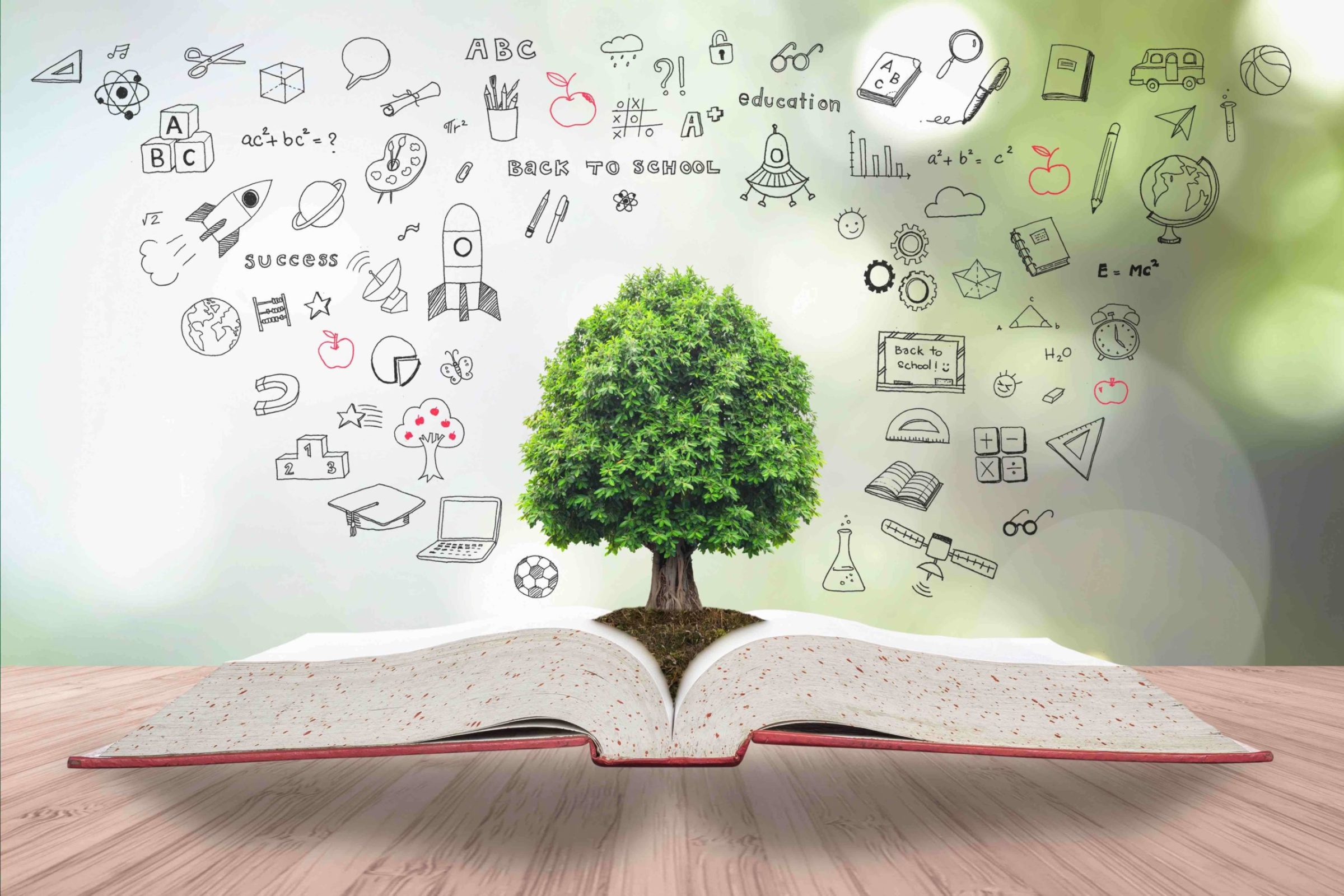
These platforms not only supply trainees with a database of information yet additionally motivate them to contribute, modify, and curate material, cultivating a collective and interactive understanding setting.
As educational standards change towards more participatory and inclusive models, the idea of student-driven encyclopedias embodies this improvement. These systems equip trainees to become active participants in understanding creation, bridging the void between conventional textbook learning and modern-day electronic resources.
The Idea of Student-Driven Encyclopedias
Student-driven encyclopedias are electronic systems where pupils collectively gather, confirm, and disseminate details on a large variety of subjects. Unlike traditional encyclopedias, which are frequently written by professionals, these platforms leverage the collaborative efforts of trainees to develop a detailed body of knowledge.

At their core, student-driven encyclopedias are developed to cultivate important reasoning, study skills, and digital literacy amongst trainees. By taking part in the process of web content development, trainees learn to browse and examine info seriously, abilities that are important in today’s information-rich society.
In addition, these platforms work as a room for trainees to discover their passions and share their knowledge. This democratic strategy to knowledge creation ensures that a varied variety of viewpoints and voices are represented, enriching the discovering experience for all participants.
- Pupils get hands-on experience in research and material production.
- Urges collaboration and peer communication.
- Promotes a much deeper understanding of topic.
- Fosters inclusivity and diversity in expertise depiction.
Fundamentally, student-driven encyclopedias transform students from passive receivers of info right into active factors, instilling a sense of possession and obligation in their academic journey.
Benefits of Student-Driven Encyclopedias
Among the principal benefits of student-driven encyclopedias is the development of essential 21st-century abilities. As students take part in the process of content production, they refine their crucial thinking, digital literacy, and interaction skills, all of which are critical in today’s interconnected world.
Furthermore, these platforms motivate a joint learning atmosphere, where pupils can interact to validate info, argument various perspectives, and co-edit short articles. This peer-to-peer communication not just boosts finding out end results however likewise fosters a sense of community and common regard amongst trainees.
In addition, student-driven encyclopedias supply a platform for showcasing student job. As students contribute to the encyclopedia, they build a portfolio of their research and writing, which can be very useful for further academic and professional quests.
Obstacles and Limitations

Despite the countless advantages, student-driven encyclopedias also deal with certain challenges. Guaranteeing the Motivated by the “domino theory”, the U. S. gave military aid to North African countries after WWII to fight communism as outlined in the A. Warsaw Pact. B. Fourteen Points Plan. C. Truman Doctrine. D. accuracy and integrity of info is extremely important, as these platforms rely on contributions from trainees that might not yet have expert-level knowledge.
- Maintaining material high quality and precision.
- Giving ample guidance and guidance.
- Making sure equitable gain access to and inclusivity.
To alleviate these difficulties, several student-driven encyclopedias carry out a system of checks and equilibriums, where web content is reviewed by teachers or specialists before magazine. This ensures that the information offered is both accurate and reliable, promoting the stability of the system.
The Future of Student-Driven Encyclopedias
As modern technology continues to advancement and the landscape of education and learning evolves, the potential for student-driven encyclopedias is large. These platforms have the capability to not just complement traditional academic resources but additionally redefine the method understanding is gotten and shared.
In the future, we may see student-driven encyclopedias incorporating more advanced innovations such as artificial intelligence and machine learning to improve material curation and personalization. Additionally, they might expand past textual info to include multimedia material, offering a more immersive understanding experience.
Encouraging the Next Generation
Student-driven encyclopedias hold the guarantee of encouraging the future generation of students. By putting pupils at the helm of knowledge production, these platforms urge long-lasting knowing, curiosity, and intellectual freedom.
Finally, as educational systems remain to innovate, student-driven encyclopedias stand as a testimony to the power of partnership and the significance of trainee agency in the understanding process. By accepting these systems, we unlock to an extra inclusive, interesting, and vibrant academic experience for all.
